Domain roland-tresor.de kaufen?
Wir ziehen mit dem Projekt
roland-tresor.de um.
Sind Sie am Kauf der Domain
roland-tresor.de interessiert?
domain@kv-gmbh.de · 0541-91531010
Domain roland-tresor.de kaufen?
Welche Schreibweise wählt ihr für Don Quijote? Don Quixote? Don Quichotte?
Wir verwenden die Schreibweise "Don Quijote", da dies die gebräuchlichste und am häufigsten verwendete Schreibweise im deutschen Sprachraum ist. **
Was bedeutet "rataplan don diri don"?
"Rataplan don diri don" ist eine Phrase aus dem Lied "Don't Stop Believin'" von Journey. Es hat keine spezifische Bedeutung, sondern dient eher als rhythmische Füllung im Text. Es ist ein Beispiel für sogenannten "Scat-Gesang", bei dem nonsensische Silben verwendet werden, um den Rhythmus und die Melodie des Liedes zu betonen. **

Ähnliche Suchbegriffe für La-Masía-Chardonnay-Don
Top-Angebote
Produkte zum Begriff La-Masía-Chardonnay-Don:
-
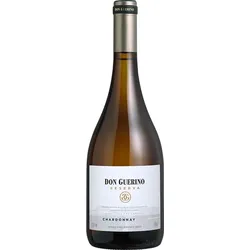
Don Guerino Reserva Chardonnay 2023Don Guerino Reserva Chardonnay, Alto Feliz - Serra Gaúcha, Rio Grande do Sul Trocken. Klare Aromen von Zitrusfrüchten, weißen Blüten, Birne und Ananas. Am Gaumen fein und elegant, Noten von weißen Früchten. Langanhaltend. Der Reserva Chardonnay von Don Guerino hat für sechs Monate Kontakt mit der Feinhefe. 10% des Weins reifen für sechs Monate in Fässern aus französischer Eiche. Über den Winzer: Die Vinícola Don Guerino ist eine der modernsten und schönsten Weingüter Brasiliens. Seit der italienischen Einwanderungswelle in den 1880er Jahren, wurde die Begeisterung für den Weinbau von Generation zu Generation weitergegeben... weiterlesen17,95 €*Versand: 6,95 €Sichere Weiterleitung zum Anbieter
-
Cervantes, Miguel de: Don Quijote de la ManchaDon Quijote de la Mancha , Nominada por los estadounidenses como una de las 100 mejores novelas en la serie de PBS The Great American Read La RAE, la ASALE y Alfaguara reeditan la edición conmemorativa del Quijote con prólogo inédito de Darío Villanueva EDICION LIMITADA Hace diez años, las academias de la lengua española pensaron un Quijote para todos. Hoy se reedita -en edición limitada- para conmemorar los cuatrocientos años de la muerte de Cervantes. En los años 2015 y 2016 confluyen dos aniversarios cervantinos. A la celebración del IV Centenario de la Publicación de la Segunda Parte del Quijote (2015), le seguirá, en 2016, la conmemoración del IV Centenario de la Muerte de Miguel de Cervantes. Como ocurrió hace más de una década, las academias de la lengua española y la editorial Alfaguara se unen a esta celebración con una reedición de este clásico universal dirigida a todo el ámbito hispanohablante. Esta edición cuenta con un nuevo prólogo, escrito por Darío Villanueva, director de la Real Academia Española (RAE) y presidente de la Asociación de Academias de la Lengua Española (ASALE), especialmente para la ocasión. Se completa con un glosario formado por siete mil palabras, locuciones, frases proverbiales y refranes, explicados según el significado preciso que tienen en el texto cervantino. La primera edición de este Quijote se convirtió en un gran éxito de ventas, sin precedentes en una obra clásica. Más de tres millones de ejemplares, distribuidos en España y América, la convirtieron en la más difundida de la historia. A conseguir su carácter divulgativo y su orientación hacia un público diverso y no especializado, contribuyen especialmente las notas contextualizadoras de la obra, preparadas por Francisco Rico. También se incluyen una serie de estudios complementarios, escritos por algunos de los principales expertos en el gran libro cervantino. Así, Mario Vargas Llosa analiza la modernidad del Quijote en «Una novela para el siglo xxi»; Francisco Ayala reflexiona sobre la construcción de los personajes de la novela en «La invención del Quijote», y Martín de Riquer analiza la obra en el contexto biográfico del autor en «Cervantes y el Quijote». Por su parte, José Manuel Blecua («El Quijote en la historia de la lengua española»), Guillermo Rojo («Cervantes como modelo lingüístico»), José Antonio Pascual («Los registros lingüísticos del Quijote: la distancia irónica de la realidad»), Margit Frenk («Oralidad, escritura, lectura») y Claudio Guillén («Cauces de la novela cervantina: perspectivas y diálogos») abordan distintos aspectos relacionados con la lengua española en la obra cervantina. A todos ellos se une en esta ocasión el actual director de la RAE, Darío Villanueva, que ha querido «aprovechar la oportunidad de oro que me ofrece hoy la nueva salida de esta edición [...] para dar una explicación -mi explicación- de algunos de los porqués del tan alto reconocimiento que el Quijote ha obtenido desde la fecha de su publicación hasta hoy, así como su palmaria modernidad», antes de recordar que el Quijote fue la obra elegida, en 2002, como la mejor novela de todos los tiempos, por delante de En busca del tiempo perdido, de Proust, y de Guerra y paz, de Tolstoi, en una encuesta realizada por la Asociación de Escritores de Suecia entre cien autores de todo el mundo. ENGLISH DESCRIPTION Nominated as one of America's best-loved novels by PBS's The Great American Read Ten years ago, the Academies of the Spanish Language conceived of a Don Quixote for everyone. Now, it is being re-released-in a limited edition-to commemorate the 400th anniversary of Cervantes's death. 2015 and 2016 bring with them two special Cervantes anniversaries. The celebration of the 400th Anniversary of the Publication of the Second Part of Don Quixote in 2015 will be followed in 2016 by the Commemoration of the 400th Anniversary of Miguel de Cervantes's Death. As they did more than a decade ago, the Academies of the Spanish Language and Alfaguara unite for this celebration with a re-edition of the universal classic directed at the whole Spanish-speaking world. This edition boasts a new prologue written specially for the occasion by Darío Villanueva, the director of the Real Academia de la Lengua Española (RAE) (RAE) and president of the Asociación de Academias de la Lengua Española (ASALE). It is complemented by a glossary made up of seven thousand words, expressions, phrases and proverbs, each explained according to its precise meaning in Cervantes's text. The first edition of this Quixote became a huge sales success, unprecedented for a classic work. More than three million copies, distributed in Spain and the Americas, made it the most widespread in history. The contextualizing notes about the work, prepared by Francisco Rico, contribute to its educational character and its orientation toward a diverse and non-specialized public. It also includes a series of complementary studies, written by some of the primary experts in Cervantes's consummate book. As such, Mario Vargas Llosa analyzes the modernity of Don Quixote in "A Novel for the 21st Century;" Francisco Ayala reflects upon the construction of the novel's characters in "The Invention of the Quixote;" and Martín de Riquer analyzes the work in the biographical context of the author in "Cervantes and Quixote." For their part, José Manuel Blecua ("Don Quixote in the History of the Spanish Language"), Guillermo Rojo ("Cervantes as a Linguistic Model"), José Antonio Pascual ("The Linguistic Registers of Don Quixote: The Ironic Distance from Reality"), Margit Frenk ("Orality, Writing, Reading"), and Claudio Guillén ("The Course of Cervantes's novel: Perspectives and Dialogues") deal with different aspects related to the Spanish language in Cervantes's work. Joining all this is the current director of the Real Academia de la Lengua Española (RAE), Darío Villanueva, who wants to "take advantage of the golden opportunity that the release of this new edition offers [...] to give an explanation-my explanation-of some of the reasons for the high recognition that Don Quixote has gained from the date of its publication until today, as well as its clear modernity," before reminding us that Don Quixote was the work chosen in 2002 as the best novel of all time, even ahead of In Search of Lost Time by Proust and War and Peace by Tolstoy, in a survey conducted by the Swiss Writers' Association of 100 authors from around the world. , > , Erscheinungsjahr: 20150902, Produktform: Leinen, Autoren: Cervantes, Miguel de, Fachschema: Spanische Belletristik / Roman, Erzählung~Spanische Bücher, Fachkategorie: Klassische Lyrik, Lyrik bis 1900~Klassische Belletristik, Warengruppe: TB/Belletristik/Romane/Erzählungen, UNSPSC: 49019900, Warenverzeichnis für die Außenhandelsstatistik: 49019900, Länge: 209, Breite: 139, Höhe: 52, Gewicht: 1097, Produktform: Gebunden, Genre: Importe,29,68 €*Versand: 0,00 €Sichere Weiterleitung zum Anbieter
-
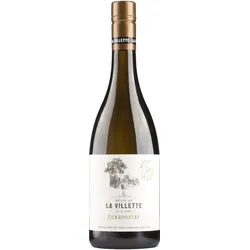
La Villette Chardonnay 2025La Villette Chardonnay 2025 ist ein im Holz ausgebauter Chardonnay aus Südfrankreich. Reife Birne und Banane treffen auf Toast, Vanille und geröstete Nüsse. Der Wein wirkt voll und rund, bewahrt dabei aber eine erfrischende Seite.7,15 €*Versand: 5,95 €Sichere Weiterleitung zum Anbieter

-
Wie heißt dieses Lied mit den La La La La La La La La La La La La La La La La La La La La La La La La La La La La La La La La La La La La La La La La La La La La La La La La La La La La
Es ist schwierig, das Lied nur anhand der Beschreibung zu identifizieren, da es viele Lieder gibt, die den Text "La La La" enthalten. Es könnte sich um "La La La" von Naughty Boy ft. Sam Smith handeln, aber es gibt auch andere Lieder mit ähnlichen Texten. Um das Lied genau zu identifizieren, wäre mehr Informationen oder der genaue Text des Liedes hilfreich. **
-
Wie kann man den Charakter von Don Gregorio aus der Geschichte "La lengua de las mariposas" charakterisieren?
Don Gregorio ist ein Lehrer, der eine enge Beziehung zu seinem Schüler Moncho aufbaut. Er ist geduldig, einfühlsam und hat eine große Leidenschaft für das Lehren. Er ist ein progressiver Denker, der sich gegen die repressive Politik des Franco-Regimes stellt. Trotz seiner freundlichen Natur wird er jedoch von den Behörden verfolgt und letztendlich von ihnen bedroht. **
-
Ist Chardonnay Weisswein?
Ja, Chardonnay ist tatsächlich ein Weißwein. Diese Rebsorte ist eine der bekanntesten und am weitesten verbreiteten Weißweinsorten der Welt. Chardonnay-Weine können je nach Anbaugebiet und Herstellungsweise eine Vielzahl von Aromen und Geschmacksrichtungen aufweisen, von fruchtig und blumig bis hin zu buttrig und nussig. Sie sind oft trocken, können aber auch in einem leicht süßen Stil hergestellt werden. Chardonnay passt gut zu einer Vielzahl von Speisen und ist aufgrund seiner Vielseitigkeit bei Weinliebhabern sehr beliebt. **
-
Ist Chardonnay Weißburgunder?
Nein, Chardonnay und Weißburgunder sind zwei verschiedene Rebsorten. Chardonnay ist eine weiße Rebsorte, die weltweit angebaut wird und für ihre vielseitigen Aromen von grünen Äpfeln, Zitrusfrüchten und Butter bekannt ist. Weißburgunder, auch bekannt als Pinot Blanc, ist ebenfalls eine weiße Rebsorte, die vor allem in Deutschland, Österreich und Italien angebaut wird und fruchtige Aromen von Birnen und Äpfeln aufweist. Obwohl beide Rebsorten Weißweine produzieren, haben sie unterschiedliche geschmackliche Profile und Eigenschaften. Es ist wichtig, zwischen den beiden Sorten zu unterscheiden, um den individuellen Geschmack und Stil jedes Weins zu schätzen. **


Ist Weissburgunder Chardonnay?
Nein, Weissburgunder und Chardonnay sind zwei verschiedene Rebsorten. Weissburgunder, auch bekannt als Pinot Blanc, ist eine weiße Rebsorte, die hauptsächlich in Deutschland, Österreich und Italien angebaut wird. Chardonnay hingegen ist eine weitere weiße Rebsorte, die weltweit verbreitet ist und vor allem in Frankreich, den USA und Australien angebaut wird. Obwohl beide Rebsorten Weißweine produzieren, haben sie unterschiedliche Geschmacksprofile und Eigenschaften. Es ist wichtig, die Unterschiede zwischen den beiden Rebsorten zu kennen, um ihre Weine besser zu schätzen und zu genießen. **
Kennt jemand den Namen von diesem Lied "Sha la la la la la la la la la la la"?
Es gibt viele Lieder mit ähnlichen Textzeilen wie "Sha la la la la la la la la la la la", daher ist es schwierig, den genauen Namen des Liedes zu bestimmen, ohne weitere Informationen zu haben. Es könnte sich um den Refrain eines bekannten Songs handeln, aber ohne weitere Hinweise ist es schwer, eine genaue Antwort zu geben. **
Top-Angebote
Produkte zum Begriff La-Masía-Chardonnay-Don:
-
La Masía Chardonnay Don Miguel Vineyard Russian River Valley Marimar Estate 2023Marimar Estate La Masía Chardonnay Kalifornische Eleganz aus dem Russian River Valley Die fruchtbare Verbindung von traditionsreicher europäischer Weinbaukultur und dem einzigartigen Mikroklima Kaliforniens findet auf der Marimar Estate ihre vollendete Form. Gegründet von Marimar Torres einer Pionierin des modernen Weinbaus steht dieses Weingut im kühlen Russian River Valley für Weine von außergewöhnlicher Finesse und Tiefe. Der Don Miguel Vineyard benannt nach dem legendären Vater der Grün...53,89 €*Versand: 10,00 €Sichere Weiterleitung zum Anbieter
-
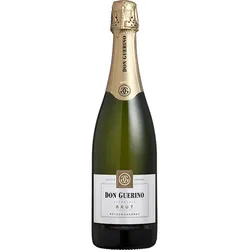
Don Guerino Espumante Chardonnay BrutDon Guerino Espumante Brut, Charmat ,Serra Gaúcha, Rio Grande do Sul Trocken. Der Don Guerino Espumante Brut, Charmat ist ein saftig, frischer Chardonnay-Sekt mit feiner Perlage. Elegant mit feinen Frucht- und Zitrusaromen Über den Winzer: Die Vinícola Don Guerino ist eine der modernsten und schönsten Weingüter Brasiliens. Seit der italienischen Einwanderungswelle in den 1880er Jahren, wurde die Begeisterung für den Weinbau von Generation zu Generation weitergegeben... weiterlesen17,95 €*Versand: 6,95 €Sichere Weiterleitung zum Anbieter
-
Don Guerino Reserva Chardonnay 2023Don Guerino Reserva Chardonnay, Alto Feliz - Serra Gaúcha, Rio Grande do Sul Trocken. Klare Aromen von Zitrusfrüchten, weißen Blüten, Birne und Ananas. Am Gaumen fein und elegant, Noten von weißen Früchten. Langanhaltend. Der Reserva Chardonnay von Don Guerino hat für sechs Monate Kontakt mit der Feinhefe. 10% des Weins reifen für sechs Monate in Fässern aus französischer Eiche. Über den Winzer: Die Vinícola Don Guerino ist eine der modernsten und schönsten Weingüter Brasiliens. Seit der italienischen Einwanderungswelle in den 1880er Jahren, wurde die Begeisterung für den Weinbau von Generation zu Generation weitergegeben... weiterlesen17,95 €*Versand: 6,95 €Sichere Weiterleitung zum Anbieter
-
Cervantes, Miguel de: Don Quijote de la ManchaDon Quijote de la Mancha , Nominada por los estadounidenses como una de las 100 mejores novelas en la serie de PBS The Great American Read La RAE, la ASALE y Alfaguara reeditan la edición conmemorativa del Quijote con prólogo inédito de Darío Villanueva EDICION LIMITADA Hace diez años, las academias de la lengua española pensaron un Quijote para todos. Hoy se reedita -en edición limitada- para conmemorar los cuatrocientos años de la muerte de Cervantes. En los años 2015 y 2016 confluyen dos aniversarios cervantinos. A la celebración del IV Centenario de la Publicación de la Segunda Parte del Quijote (2015), le seguirá, en 2016, la conmemoración del IV Centenario de la Muerte de Miguel de Cervantes. Como ocurrió hace más de una década, las academias de la lengua española y la editorial Alfaguara se unen a esta celebración con una reedición de este clásico universal dirigida a todo el ámbito hispanohablante. Esta edición cuenta con un nuevo prólogo, escrito por Darío Villanueva, director de la Real Academia Española (RAE) y presidente de la Asociación de Academias de la Lengua Española (ASALE), especialmente para la ocasión. Se completa con un glosario formado por siete mil palabras, locuciones, frases proverbiales y refranes, explicados según el significado preciso que tienen en el texto cervantino. La primera edición de este Quijote se convirtió en un gran éxito de ventas, sin precedentes en una obra clásica. Más de tres millones de ejemplares, distribuidos en España y América, la convirtieron en la más difundida de la historia. A conseguir su carácter divulgativo y su orientación hacia un público diverso y no especializado, contribuyen especialmente las notas contextualizadoras de la obra, preparadas por Francisco Rico. También se incluyen una serie de estudios complementarios, escritos por algunos de los principales expertos en el gran libro cervantino. Así, Mario Vargas Llosa analiza la modernidad del Quijote en «Una novela para el siglo xxi»; Francisco Ayala reflexiona sobre la construcción de los personajes de la novela en «La invención del Quijote», y Martín de Riquer analiza la obra en el contexto biográfico del autor en «Cervantes y el Quijote». Por su parte, José Manuel Blecua («El Quijote en la historia de la lengua española»), Guillermo Rojo («Cervantes como modelo lingüístico»), José Antonio Pascual («Los registros lingüísticos del Quijote: la distancia irónica de la realidad»), Margit Frenk («Oralidad, escritura, lectura») y Claudio Guillén («Cauces de la novela cervantina: perspectivas y diálogos») abordan distintos aspectos relacionados con la lengua española en la obra cervantina. A todos ellos se une en esta ocasión el actual director de la RAE, Darío Villanueva, que ha querido «aprovechar la oportunidad de oro que me ofrece hoy la nueva salida de esta edición [...] para dar una explicación -mi explicación- de algunos de los porqués del tan alto reconocimiento que el Quijote ha obtenido desde la fecha de su publicación hasta hoy, así como su palmaria modernidad», antes de recordar que el Quijote fue la obra elegida, en 2002, como la mejor novela de todos los tiempos, por delante de En busca del tiempo perdido, de Proust, y de Guerra y paz, de Tolstoi, en una encuesta realizada por la Asociación de Escritores de Suecia entre cien autores de todo el mundo. ENGLISH DESCRIPTION Nominated as one of America's best-loved novels by PBS's The Great American Read Ten years ago, the Academies of the Spanish Language conceived of a Don Quixote for everyone. Now, it is being re-released-in a limited edition-to commemorate the 400th anniversary of Cervantes's death. 2015 and 2016 bring with them two special Cervantes anniversaries. The celebration of the 400th Anniversary of the Publication of the Second Part of Don Quixote in 2015 will be followed in 2016 by the Commemoration of the 400th Anniversary of Miguel de Cervantes's Death. As they did more than a decade ago, the Academies of the Spanish Language and Alfaguara unite for this celebration with a re-edition of the universal classic directed at the whole Spanish-speaking world. This edition boasts a new prologue written specially for the occasion by Darío Villanueva, the director of the Real Academia de la Lengua Española (RAE) (RAE) and president of the Asociación de Academias de la Lengua Española (ASALE). It is complemented by a glossary made up of seven thousand words, expressions, phrases and proverbs, each explained according to its precise meaning in Cervantes's text. The first edition of this Quixote became a huge sales success, unprecedented for a classic work. More than three million copies, distributed in Spain and the Americas, made it the most widespread in history. The contextualizing notes about the work, prepared by Francisco Rico, contribute to its educational character and its orientation toward a diverse and non-specialized public. It also includes a series of complementary studies, written by some of the primary experts in Cervantes's consummate book. As such, Mario Vargas Llosa analyzes the modernity of Don Quixote in "A Novel for the 21st Century;" Francisco Ayala reflects upon the construction of the novel's characters in "The Invention of the Quixote;" and Martín de Riquer analyzes the work in the biographical context of the author in "Cervantes and Quixote." For their part, José Manuel Blecua ("Don Quixote in the History of the Spanish Language"), Guillermo Rojo ("Cervantes as a Linguistic Model"), José Antonio Pascual ("The Linguistic Registers of Don Quixote: The Ironic Distance from Reality"), Margit Frenk ("Orality, Writing, Reading"), and Claudio Guillén ("The Course of Cervantes's novel: Perspectives and Dialogues") deal with different aspects related to the Spanish language in Cervantes's work. Joining all this is the current director of the Real Academia de la Lengua Española (RAE), Darío Villanueva, who wants to "take advantage of the golden opportunity that the release of this new edition offers [...] to give an explanation-my explanation-of some of the reasons for the high recognition that Don Quixote has gained from the date of its publication until today, as well as its clear modernity," before reminding us that Don Quixote was the work chosen in 2002 as the best novel of all time, even ahead of In Search of Lost Time by Proust and War and Peace by Tolstoy, in a survey conducted by the Swiss Writers' Association of 100 authors from around the world. , > , Erscheinungsjahr: 20150902, Produktform: Leinen, Autoren: Cervantes, Miguel de, Fachschema: Spanische Belletristik / Roman, Erzählung~Spanische Bücher, Fachkategorie: Klassische Lyrik, Lyrik bis 1900~Klassische Belletristik, Warengruppe: TB/Belletristik/Romane/Erzählungen, UNSPSC: 49019900, Warenverzeichnis für die Außenhandelsstatistik: 49019900, Länge: 209, Breite: 139, Höhe: 52, Gewicht: 1097, Produktform: Gebunden, Genre: Importe,29,68 €*Versand: 0,00 €Sichere Weiterleitung zum Anbieter
-
Welche Schreibweise wählt ihr für Don Quijote? Don Quixote? Don Quichotte?
Wir verwenden die Schreibweise "Don Quijote", da dies die gebräuchlichste und am häufigsten verwendete Schreibweise im deutschen Sprachraum ist. **
-
Was bedeutet "rataplan don diri don"?
"Rataplan don diri don" ist eine Phrase aus dem Lied "Don't Stop Believin'" von Journey. Es hat keine spezifische Bedeutung, sondern dient eher als rhythmische Füllung im Text. Es ist ein Beispiel für sogenannten "Scat-Gesang", bei dem nonsensische Silben verwendet werden, um den Rhythmus und die Melodie des Liedes zu betonen. **
-
Wie heißt dieses Lied mit den La La La La La La La La La La La La La La La La La La La La La La La La La La La La La La La La La La La La La La La La La La La La La La La La La La La La
Es ist schwierig, das Lied nur anhand der Beschreibung zu identifizieren, da es viele Lieder gibt, die den Text "La La La" enthalten. Es könnte sich um "La La La" von Naughty Boy ft. Sam Smith handeln, aber es gibt auch andere Lieder mit ähnlichen Texten. Um das Lied genau zu identifizieren, wäre mehr Informationen oder der genaue Text des Liedes hilfreich. **
-
Wie kann man den Charakter von Don Gregorio aus der Geschichte "La lengua de las mariposas" charakterisieren?
Don Gregorio ist ein Lehrer, der eine enge Beziehung zu seinem Schüler Moncho aufbaut. Er ist geduldig, einfühlsam und hat eine große Leidenschaft für das Lehren. Er ist ein progressiver Denker, der sich gegen die repressive Politik des Franco-Regimes stellt. Trotz seiner freundlichen Natur wird er jedoch von den Behörden verfolgt und letztendlich von ihnen bedroht. **
Ähnliche Suchbegriffe für La-Masía-Chardonnay-Don
-
La Villette Chardonnay 2025La Villette Chardonnay 2025 ist ein im Holz ausgebauter Chardonnay aus Südfrankreich. Reife Birne und Banane treffen auf Toast, Vanille und geröstete Nüsse. Der Wein wirkt voll und rund, bewahrt dabei aber eine erfrischende Seite.7,15 €*Versand: 5,95 €Sichere Weiterleitung zum Anbieter
-
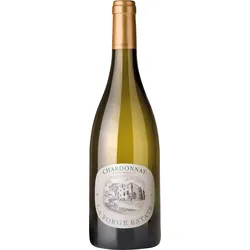
Chardonnay La Grange 2025Südfranzösischer Charme trifft präzise Handwerkskunst Der Chardonnay von Domaine La Grange Das im Herzen des Languedoc unweit der historischen Stadt Pézenas gelegene Weingut Domaine La Grange ist ein wahrer Juwel Südfrankreichs. Umgeben von der unberührten Natur der Garrigue jener mediterranen Strauchheidelandschaft die so typisch für die Region ist entstehen hier Weine von bemerkenswerter Klarheit und Herkunftsprägung. Die Philosophie des Weinguts basiert auf dem tiefen Respekt vor der Natu...7,69 €*Versand: 13,00 €Sichere Weiterleitung zum Anbieter
-
Ist Chardonnay Weisswein?
Ja, Chardonnay ist tatsächlich ein Weißwein. Diese Rebsorte ist eine der bekanntesten und am weitesten verbreiteten Weißweinsorten der Welt. Chardonnay-Weine können je nach Anbaugebiet und Herstellungsweise eine Vielzahl von Aromen und Geschmacksrichtungen aufweisen, von fruchtig und blumig bis hin zu buttrig und nussig. Sie sind oft trocken, können aber auch in einem leicht süßen Stil hergestellt werden. Chardonnay passt gut zu einer Vielzahl von Speisen und ist aufgrund seiner Vielseitigkeit bei Weinliebhabern sehr beliebt. **
-
Ist Chardonnay Weißburgunder?
Nein, Chardonnay und Weißburgunder sind zwei verschiedene Rebsorten. Chardonnay ist eine weiße Rebsorte, die weltweit angebaut wird und für ihre vielseitigen Aromen von grünen Äpfeln, Zitrusfrüchten und Butter bekannt ist. Weißburgunder, auch bekannt als Pinot Blanc, ist ebenfalls eine weiße Rebsorte, die vor allem in Deutschland, Österreich und Italien angebaut wird und fruchtige Aromen von Birnen und Äpfeln aufweist. Obwohl beide Rebsorten Weißweine produzieren, haben sie unterschiedliche geschmackliche Profile und Eigenschaften. Es ist wichtig, zwischen den beiden Sorten zu unterscheiden, um den individuellen Geschmack und Stil jedes Weins zu schätzen. **
-
Ist Weissburgunder Chardonnay?
Nein, Weissburgunder und Chardonnay sind zwei verschiedene Rebsorten. Weissburgunder, auch bekannt als Pinot Blanc, ist eine weiße Rebsorte, die hauptsächlich in Deutschland, Österreich und Italien angebaut wird. Chardonnay hingegen ist eine weitere weiße Rebsorte, die weltweit verbreitet ist und vor allem in Frankreich, den USA und Australien angebaut wird. Obwohl beide Rebsorten Weißweine produzieren, haben sie unterschiedliche Geschmacksprofile und Eigenschaften. Es ist wichtig, die Unterschiede zwischen den beiden Rebsorten zu kennen, um ihre Weine besser zu schätzen und zu genießen. **
-
Kennt jemand den Namen von diesem Lied "Sha la la la la la la la la la la la"?
Es gibt viele Lieder mit ähnlichen Textzeilen wie "Sha la la la la la la la la la la la", daher ist es schwierig, den genauen Namen des Liedes zu bestimmen, ohne weitere Informationen zu haben. Es könnte sich um den Refrain eines bekannten Songs handeln, aber ohne weitere Hinweise ist es schwer, eine genaue Antwort zu geben. **
* Alle Preise verstehen sich inklusive der gesetzlichen Mehrwertsteuer und ggf. zuzüglich Versandkosten. Die Angebotsinformationen basieren auf den Angaben des jeweiligen Shops und werden über automatisierte Prozesse aktualisiert. Eine Aktualisierung in Echtzeit findet nicht statt, so dass es im Einzelfall zu Abweichungen kommen kann. ** Hinweis: Teile dieses Inhalts wurden von KI erstellt.